

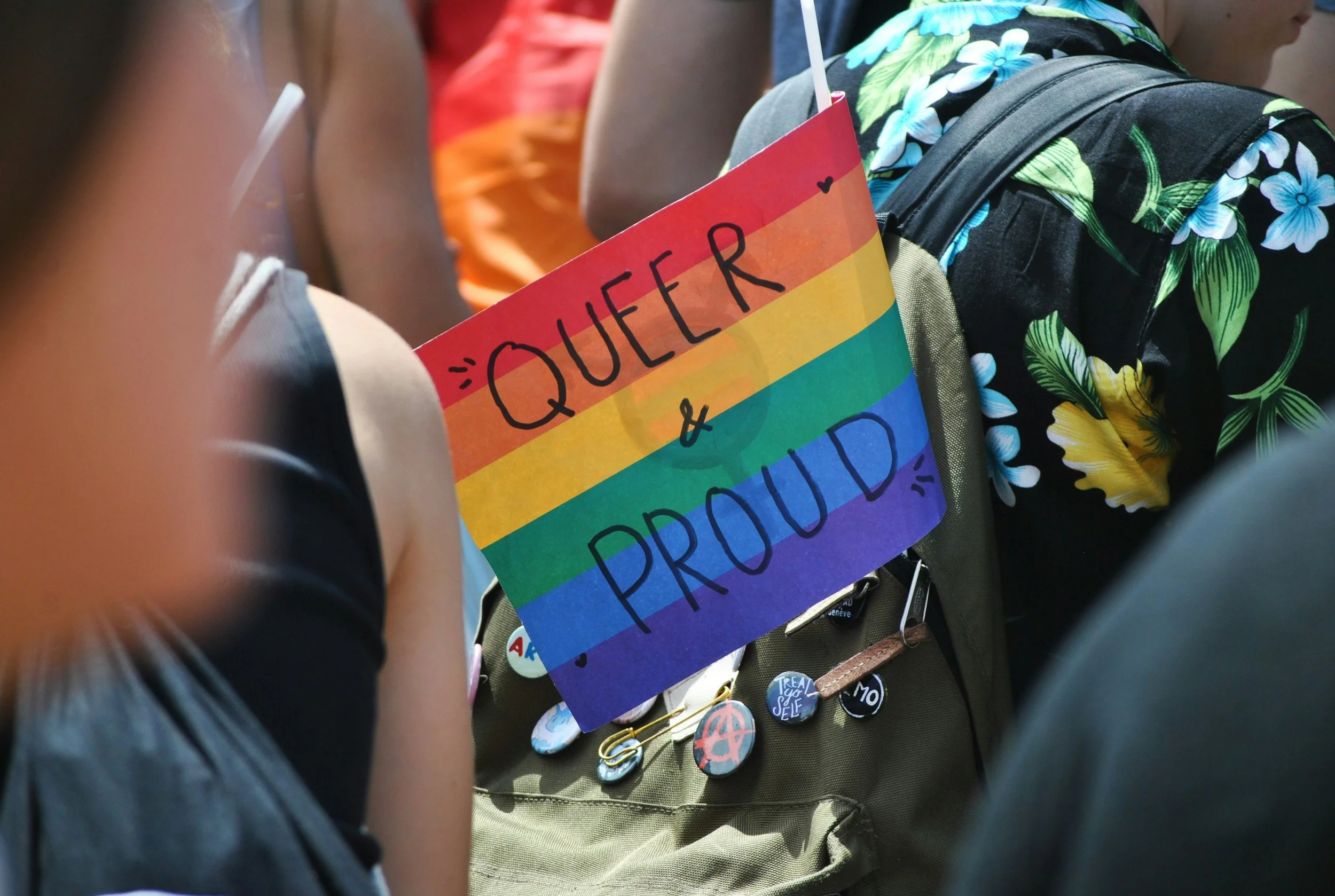
LGBTQIA+ and Gender-Affirming Therapy
You deserve a therapist who already understands queer and trans lives, so your sessions can focus on what you came in for instead of on educating someone. I offer LGBTQIA+ and gender-affirming therapy by telehealth to adults in California, New Mexico, Oregon, and Washington
Who this is for
I work with lesbian, gay, bisexual, pansexual, asexual, aromantic, queer, and questioning adults, and with transgender, nonbinary, genderqueer, and gender-expansive people wherever they are in their lives. I also work with intersex adults and with the partners and families of LGBTQIA+ people. I see individuals as well as Dyadic and Triadic+ relationships.
Your identity does not have to be the reason you are in therapy. Some people come to talk about gender or sexuality, and others come for stress, masking, trauma, or a relationship, and simply want a therapist who will not need any of it explained.
How I work
My doctoral research examined internalized transphobia, discrimination, and distress among transgender and gender-expansive people. It is grounded in the minority stress framework, which describes how the ongoing stress of stigma, from open discrimination to constantly scanning whether you are welcome, takes a real toll on mental health. Much of what can look like individual struggle is an understandable response to a hostile environment, and I work from that understanding instead of locating the problem in you.
Through IFS, we can meet the parts of you that learned to hide, perform, or stay small in order to get through. Those parts made sense, and they deserve appreciation before anything else. AEDP makes room for the experiences that often get crowded out in therapy, including pride, joy, and the relief of being fully seen.
When it comes to gender, I trust you as the expert on your own identity. My role is not to evaluate whether you are trans enough or certain enough. It is to support you in understanding what you want and living in a way that fits.
Common reasons people reach out
-
Exploring sexual orientation or gender identity, including questions that do not have clear answers yet
-
Coming out, or deciding not to, with family, friends, coworkers, or faith communities
-
Social, medical, or legal transition, and the feelings that come with each step
-
Gender dysphoria, and making room for gender euphoria
-
Internalized homophobia, biphobia, or transphobia
-
Family rejection, estrangement, or building chosen family
-
Faith, religious trauma, and their intersection with identity
-
The toll of discrimination and anti-LGBTQIA+ legislation
-
Dating and relationships as a queer or trans person
-
Parenting and family life in non-monogamous households
-
Anxiety, depression, or grief shaped by minority stress
-
Navigating a cisnormative and heteronormative society
Frequently asked questions
-
Yes. I am ENM and Kink-affirming.
-
Yes, when everyone agrees it would be helpful and each person is located in a state where I am licensed during the session.
-
I am a private pay practice. Individual sessions are $200 and partner sessions are $250, each 50 minutes. Superbills are available on request.
-
Reach out through the contact form to schedule a free 15-minute phone consultation. It is a chance to ask questions and get a sense of whether working together feels like a good fit.
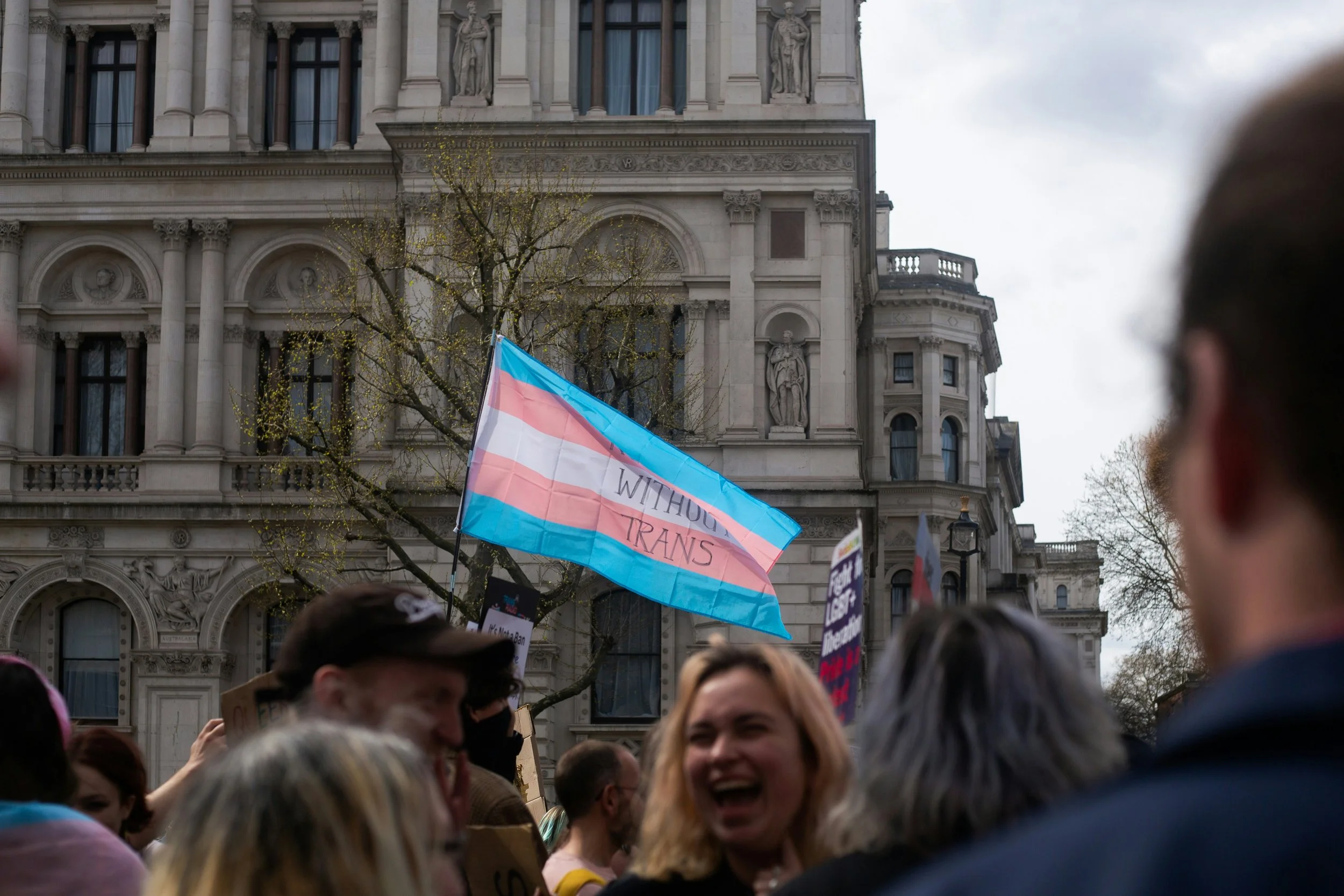
In 2024, 36% of LGBTQI+ adults reported experiencing discrimination in the past year, more than twice the rate among non-LGBTQI+ adults (17%).
Among transgender and nonbinary adults, that figure rose to 62%.
52% of LGBTQI+ adults said discrimination affected their mental well-being significantly or more, including 74% of transgender and nonbinary adults.
28% of transgender and nonbinary adults did not feel comfortable talking with their own therapist about concerns related to their identity.
These are the conditions minority stress research describes: stigma that is chronic, disproportionate, and woven into everyday life. Much of the distress people bring to therapy is a reasonable response to what they have lived through.
Source: Center for American Progress, The LGBTQI+ Community Reported High Rates of Discrimination in 2024 (March 2025). In this survey, figures for transgender adults include nonbinary, agender, and genderqueer respondents.